Speed Roulette in New Zealand: How Live Play Works
 Available in US
Speed roulette can describe a faster pace, but it does not establish whether a physical wheel or software produces the result.

Table of Contents
- How Live Speed Roulette Fits a Live Casino
- Playing Online in New Zealand: The Rules and the Bonus Conditions
- What a Roulette Speed Calculator Can—and Cannot—Tell You
- A Roulette Strategy Cannot Change the Odds
- Free Play, Green Pockets and French Roulette Rules
- How to Place a Roulette Bet
- Speed Roulette and the Wheel Behind the Game
- Using a Speed Roulette Demo to Learn the Format
- Practical Tips for Playing at a Faster Pace
- Reading the Speed Roulette Wheel
How Live Speed Roulette Fits a Live Casino
“Live” describes how the game is presented: a roulette wheel at a physical table is shown on a video stream, with a dealer conducting the round. You make your selections through the online game interface, while the wheel and ball are shown on screen. The result comes from the wheel in that live setting, rather than from a simulated spin generated solely by software.
The speed element concerns the pace of play. A faster presentation may move from one round to the next with less waiting, so you have less time to consider each decision before betting closes. It does not, by itself, tell you how the game is produced. A game called speed roulette could be presented live or as an automated product; the label alone is not enough to identify the format.
That distinction matters if you want to watch a dealer and a physical wheel, rather than see a digitally rendered result. In a live casino speed roulette game, the video is part of the experience: you can follow the dealer’s actions and the ball’s movement as the round unfolds. In an automated version, the result is presented through software rather than a live table. Both are online roulette, but they are not the same kind of presentation.
When looking for speed roulette in New Zealand, you can use this list as a starting point and check the available operator information before choosing where to play. The details provided here cover licensing or payout speed, not roulette-specific speeds.
License: Curaçao Gaming Authority, licence no. OGL/2024/165/0185 BitStarz lists a Curaçao Gaming Authority licence, number OGL/2024/165/0185. You can use that information as a licensing detail to check.
License: Tobique Gaming Commission, licence no. 0000064 Neospin lists a Tobique Gaming Commission licence, number 0000064. You can refer to this licence detail when assessing the operator.
Payout speed: 1-3 business days Lamabet states that payouts take 1–3 business days. You can use that as a reference when considering payout timing.
License: Tobique Gaming Commission, licence no. 0000002 Ricky Casino lists a Tobique Gaming Commission licence, number 0000002. You can refer to this licensing information when considering the operator.
License: 07017519840 · Payout speed: 1-3 business days Zotabet lists licence number 07017519840 and states a payout speed of 1–3 business days. You can consider both details when reviewing the operator.
Payout speed: 1-3 business days Wintino states that payouts take 1–3 business days. You can use this as a reference for payout timing.
License: Tobique Gaming Commission, licence no. 0000091 7Bit Casino lists a Tobique Gaming Commission licence, number 0000091. You can refer to this licensing detail when assessing the operator.
License: Malta Gaming Authority, licence no. MGA/B2C/394/2017 N1 Casino lists a Malta Gaming Authority licence, number MGA/B2C/394/2017. You can use this licence information as one detail in your review.
License: Malta Gaming Authority, licence no. MGA/B2C/370/2017 Play Grand lists a Malta Gaming Authority licence, number MGA/B2C/370/2017. You can refer to this licensing detail when considering the operator.
A live stream also does not mean you are betting at a physical casino in New Zealand. You are using an online service, with the game delivered through a screen. The dealer’s presence makes the round visible; it does not make the result more predictable or give you control over the wheel. Previous results do not influence the probability of future outcomes: roulette spins are independent, whether you watch them live or see them represented on screen.
Lightning Roulette is a named example associated with the live-game category. Its name can help you identify a particular game when browsing a casino’s roulette selection, but it should not be taken as a general description of every live speed roulette table. The meaningful distinction is still the format shown to you: a live dealer and physical wheel, or a computer-generated presentation. Check the game’s own description and screen before assuming which one you are opening.
The faster pace can alter how the session feels. A round that follows another quickly may make the experience seem more continuous, but speed is not an advantage in the mathematics of roulette. It does not make a result more likely because you have watched the wheel, and a live dealer cannot make previous spins relevant to the next one. The main practical difference is how much time the presentation gives you to follow what is happening and decide whether to take part in the next round.

It is useful to separate three ideas that are sometimes blurred together: the game’s pace, the way it is produced, and whether you are using real money. A live game can be fast or comparatively unhurried; an automated game can also be presented at a brisk pace. A practice or demo mode is a separate way of accessing a game and should not be confused with watching a live dealer. A screen that resembles a live table does not, on its own, establish that a real-time dealer is conducting the round.
When you open a game, look for what is actually displayed. A live video feed and a dealer conducting play indicate a live presentation. A wholly generated animation indicates an automated one. The title may contain the word “speed,” but it cannot answer that question by itself. This simple check helps set expectations: live play is about the source and presentation of the round, while speed is about its rhythm.
For someone searching for speed live roulette, the useful expectation is therefore modest. You may find a faster-moving roulette experience within a live casino, with a dealer and wheel shown through video. The pace may leave less time between rounds, but it does not change the underlying independence of spins. Treat the live element as a way the game is delivered, not as a signal that the next result can be read from the previous one.
Playing Online in New Zealand: The Rules and the Bonus Conditions
New Zealand’s online casino rules are in transition. The Online Casino Gambling Act 2026 came into force on 1 May 2026, establishing the country’s first domestic licensing system for online casino gambling. It does not mean that every site available to New Zealand residents is licensed under the new framework.

The Gambling Act 2003 bars online casinos from being based in New Zealand. The 2026 Act creates a route for licensed online casino providers, while setting transitional rules for businesses already serving customers in the country. Those providers may continue operating until 1 December 2026, subject to the transition. A provider that has not applied for a licence must stop offering online casino gambling in New Zealand by that date. The full licensed regime is expected to be operating in 2027, and unlicensed operation is expected to become an offence around mid-2027.
The Department of Internal Affairs is the primary gambling regulator and oversees the online casino licensing framework. The Gambling Commission hears and decides casino licensing applications, issues online casino licences and approves changes to licence conditions. These are separate responsibilities: the Department oversees the framework, while the Commission makes licensing decisions.
During the transition, advertising online casino gambling to people in New Zealand is prohibited. That matters when you encounter a promotion online: seeing an offer does not establish that it is lawful to advertise locally or that the provider holds a New Zealand licence. Providers operating without a licence may face enforcement action and fines of up to NZ$5 million. The transitional arrangements also do not make offshore gambling part of the domestic licensing system simply because a site can be accessed from New Zealand.

Before the 2026 Act, online casino services supplied from overseas were outside New Zealand regulatory supervision. Customers using such sites had no domestic government recourse if a dispute arose. The new licensing framework changes the regulatory position, but its transition dates matter: do not treat the future regime as though it were already fully in place.
Read the bonus terms as conditions, not as extra cash
Casino promotions can come with eligibility rules, wagering requirements, expiry dates, game contribution rules and restrictions on withdrawals. A headline offer tells you little about whether you can use it on a particular game or whether you can withdraw before meeting its conditions. Read the full terms before accepting a bonus, especially if the promotion is presented alongside online roulette.
The required wagering is substantial and time-limited: bonus money must be wagered 50 times within 30 days. Winnings from free spins must be wagered 50 times within 7 days. These are separate requirements, so free-spin winnings do not simply become withdrawable cash when they appear in your balance. Check which games count towards wagering, since game contribution rules can affect how quickly a requirement is met.
A withdrawal request voids all active or pending bonuses. In practice, requesting a payout while a bonus remains active may therefore cost you the bonus and any associated value. Expiry terms matter too: an offer can cease to be usable once its stated period ends. The terms should make clear what happens to a bonus, its winnings and any remaining wagering requirement in each case.
Legal Risks
Providers operating without a New Zealand licence may face enforcement action and fines of up to NZ$5 million.
Age and identity checks
Licensed operators must use stricter age and identity verification systems. You may be asked to provide information or documents to establish who you are and confirm that you meet the age requirement. Treat these checks as part of the licensing framework, not as proof by themselves that an operator is licensed.
For a person considering speed roulette online, the practical distinction is between a site’s accessibility and its regulatory status. New Zealand’s rules are moving towards a domestic licensing regime, but the transition has defined limits and dates. Bonus terms add another layer: wagering, expiry, game eligibility and withdrawal conditions can determine whether an offer has any usable value. Read both the legal position and the promotion terms before making a decision.
What a Roulette Speed Calculator Can—and Cannot—Tell You
A roulette calculator can make the arithmetic behind a wheel easier to inspect. It can compare the chance of a result or estimate the long-run share of stakes retained by the house, provided you enter the correct wheel and rule set. It cannot tell you where the next ball will land. A faster round, or an automated presentation, does not give a calculator information about a future result.
The wheel layout matters because it sets how many pockets are in play. European Roulette has 37 pockets, with one zero, and a house edge of 2.70%. American Roulette has 38 pockets, including a zero and a double zero, and a house edge of 5.26%. The extra pocket changes the arithmetic even though the familiar bet types and their stated payouts may look similar.

House edge is the casino’s mathematical advantage over time, expressed as a proportion of stakes. It is not a prediction of what will happen in a particular round, nor does it mean that the same share will be lost in every short session. A calculator can show how the wheel’s layout affects the long-run calculation; it cannot turn that average into a forecast for an individual player.
Payout percentage describes the corresponding theoretical share returned to players over time. A specialist review reports a 97.30% payout percentage for European Roulette and 94.70% for American Roulette. Those figures complement the stated house edges: the lower payout figure on the American wheel reflects its greater house edge. They should be read as long-run mathematical measures, not as a promise about the amount any player will get back.
This is where a roulette speed calculator can be useful: it can help you compare the mathematical profile of different wheel layouts, or check what a stated edge means in percentage terms. Its result is only as relevant as the information entered. If the calculation assumes a single-zero wheel but the game uses a double-zero wheel, the output will not describe that game. A speed label alone does not specify the number of pockets or establish which rules apply.
Nor does the speed of play make the calculator more predictive. Faster rounds may leave less time to examine a result, but they do not alter the wheel’s pocket count. A tool that displays probabilities, payout percentages or an estimated house edge is describing the rules mathematically; it is not reading the wheel or detecting a pattern that determines the next outcome. Past results cannot be used to calculate a future pocket as though the wheel were following a schedule.
37 pockets with one zero and a house edge of 2.70%.
38 pockets including a zero and double zero, with a house edge of 5.26%.
Treat any calculator output as an explanation of the game’s structure, not as a signal to place a bet. Check that its assumptions match the wheel and the rules you are considering, then interpret its percentages as long-run comparisons. It can clarify why two roulette formats differ on paper. It cannot remove uncertainty from a spin, promise a return, or make the faster version easier to predict.
A Roulette Strategy Cannot Change the Odds
Searching for the best strategy in speed roulette can lead to systems that promise to manage risk or turn a losing run around. The useful distinction is simpler: a strategy can shape how you choose bets and set a spending limit, but it cannot make a roulette outcome more likely or remove the game’s built-in house edge.
Each spin is independent. The result of a previous spin does not change the probability of what comes next. A run of red results does not make black “due”, and a number that has not appeared for a while has no special claim on the next spin. The wheel does not keep a record that can be used to forecast its next result.
This also limits what betting patterns can achieve. Increasing a stake after a loss, reducing it after a win or following a fixed sequence changes the amounts at risk, not the probabilities. A system may produce a different pattern of wins and losses across a session, but it cannot ensure a profit. No betting system removes the house edge.
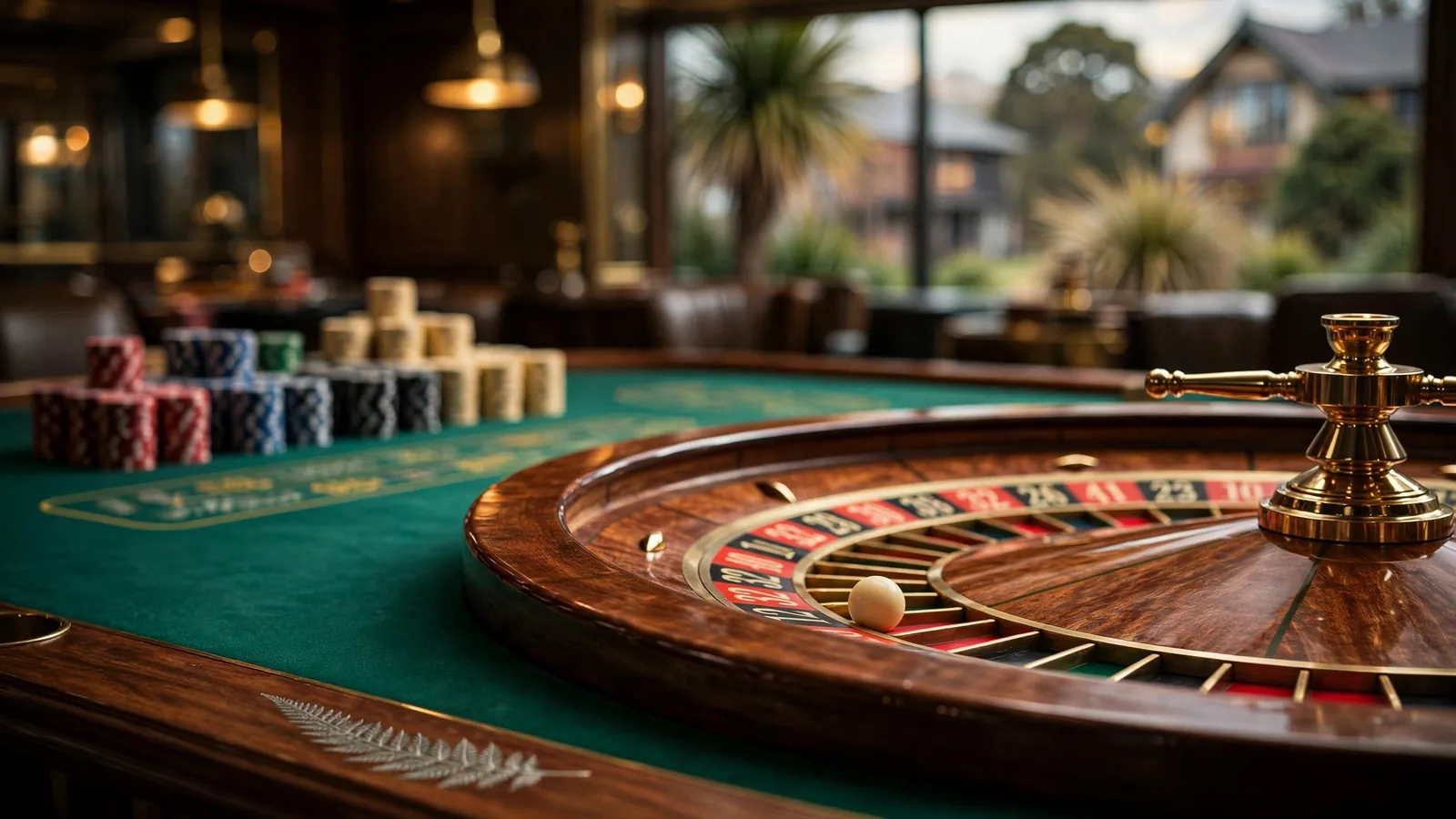
For a single-zero European Roulette game, the house edge is 2.70%. That figure describes the mathematical advantage built into the game over repeated play; it is not a prediction of what will happen in a particular session. You can win a spin, or a run of spins, but the same underlying disadvantage remains. Every real-money bet can lose, including one placed as part of a carefully planned system.
A practical strategy is therefore about boundaries, not prediction. Decide in advance what you can afford to lose, and do not stake more than that. A limit cannot improve the odds, but it can prevent a session from expanding beyond the amount you chose to risk. If you reach that boundary, continuing because you expect a reversal does not change the next spin’s probability.
It also helps to treat a win as an outcome, not proof that a system works. A short winning run can occur under any betting approach; so can a losing run. Neither establishes that the method has found a pattern in independent results. The same caution applies to systems that claim to recover earlier losses: pursuing a recovery can expose more money without changing the chance of the next result.
The pace of a speed game does not make a betting system more reliable. Faster rounds may leave less time between decisions, but they do not alter the independence of spins or erase the house edge. If you feel pressured to keep betting, stepping away is a more meaningful decision than changing the sequence of stakes.
- Decide on a spending limit in advance
- Stake only what you can afford to lose
- Stop playing once your boundary is reached
- Use betting patterns to predict outcomes
- Increase stakes to recover previous losses
- Assume a winning run proves a system works
You can choose an approach that suits your preferences, but it should not be mistaken for a way to beat the game. Bet selection and money limits govern how you participate; chance governs the outcome. Keeping those roles separate is the most realistic way to assess any roulette strategy.
Free Play, Green Pockets and French Roulette Rules
A free-play label does not change the rules of a roulette variant. It may let you explore a game without staking cash, but the important details remain the wheel layout and the rules that apply to your bets. In particular, check how the game treats zero: a green zero pocket is not just another number for an even-money bet.
French Roulette uses the same single-zero layout as European Roulette. Its distinctive feature is that some tables apply La Partage or En Prison when zero lands. These rules soften the result for certain bets, but they do not apply to every wager on the table.
La Partage applies only to even-money outside bets, such as red or black, odd or even, and low or high. If zero lands, half of the stake is returned and the other half is collected. The bet is not treated as a win; the rule simply limits the loss on that spin.
En Prison also concerns even-money outside bets when zero appears. Instead of settling the wager immediately, the table carries it forward to the next spin. If that spin wins, your original stake is returned without extra winnings. If it loses, the stake is collected. The result is different from La Partage, which returns half the stake at once, but both rules reduce the effect of zero on eligible bets.
When either rule applies, the house edge for French Roulette falls to 1.35%. That benefit is specific: it comes from the treatment of zero on eligible even-money bets, not from a general improvement to every bet. A straight-up number bet, for instance, does not qualify for La Partage or En Prison.

Mini Roulette is a useful contrast when comparing a game that has a green zero with one that offers a special zero rule. It has 13 pockets and a house edge of 7.89%; La Partage reduces that figure to 3.85%. So a smaller wheel does not automatically mean better odds. The rule attached to zero matters, and the difference between a rule being present and absent is substantial.
If you are looking for a free version of a speed roulette game, treat the free-play option as a way to inspect the interface or understand the pace, not as a change to the game’s mathematics. Confirm whether the game is French Roulette, European Roulette, or another variant, then read the displayed rules for zero. A speed label does not tell you whether La Partage or En Prison is in force.
The practical distinction is narrow but important: French rules can reduce losses when zero lands on qualifying outside bets; they do not protect other bet types, and they do not turn a random result into a predictable one. Free play may remove the cash stake, but it cannot make a different wheel or zero rule appear. Check the variant and its table rules before relying on the name alone.
How to Place a Roulette Bet
A roulette bet is a choice about where the ball will land, or about a broader feature of the result. On the betting layout, you place a chip on a marked area to indicate that choice. The table may look busy at first, but its sections correspond to familiar options: an individual number, a group of numbers, or an outside category such as red or black.
A straight-up bet covers one number. A split covers two neighbouring numbers on the layout, while other inside bets cover larger groups. Outside bets include red or black, odd or even, and high or low results. Dozens and columns are also available on many roulette layouts. The exact labels and appearance can vary by game, so read the table before placing a chip.
To make a bet, choose a chip value shown by the game, then select the relevant spot on the layout. The chip represents the amount staked, and the position where you place it determines the bet. If you want to make more than one selection, add chips to the other relevant areas before betting closes. Check that the displayed chips match your intended choices; a chip placed on a line or corner can represent a different bet from one placed inside a marked area.
Called bets are different from the standard selections on the table. They refer to groups based on where numbers sit next to one another on the roulette wheel, rather than on the betting layout. The table may provide a way to enter such a call, but the wheel positions define the group. Do not assume that numbers appearing near each other on the screen or table form a called bet.
Once betting closes, the game proceeds to the spin and the result determines which selections, if any, win. A faster round does not change what a chip placement means, but it leaves less time to review choices. Every real-money bet can lose, so stake only what you can afford to lose.
Speed Roulette and the Wheel Behind the Game
A faster round does not create a different set of roulette probabilities. The wheel’s layout still determines how many pockets can receive the ball, and that count sets the baseline house edge: the mathematical share of wagers the game is designed to retain over time.
On a European wheel, there are 37 pockets: numbered spaces from 1 to 36 and a single zero. With that layout, the house edge is 2.70%. American Roulette adds a double zero, bringing the total to 38 pockets and raising the house edge to 5.26%. The extra pocket matters because it gives the house another outcome that causes most standard bets to lose.
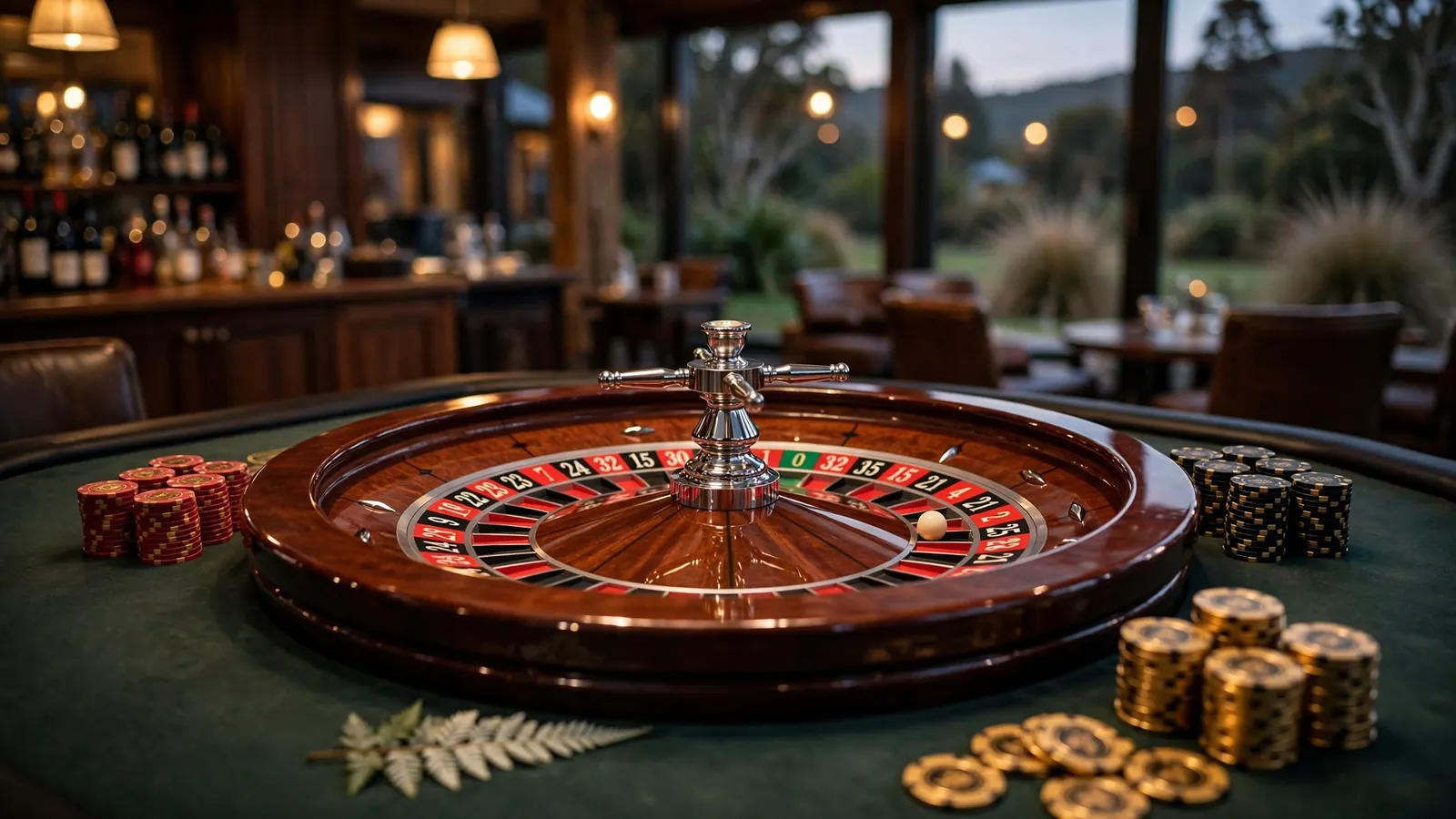
The pace of play does not change those layouts. A game presented as speed roulette may move through rounds more quickly, but the label alone does not tell you whether the wheel is European or American. Check the game’s rules or information panel for the wheel type rather than assuming that a faster format uses one particular layout.
This distinction is useful when you compare games. If two versions look similar but use different wheels, the number of pockets can affect the chance that a standard bet wins. A single-zero European wheel has a lower baseline house edge than an American wheel with both zero and double zero. The faster presentation does not cancel that difference.
The figures describe long-run mathematical expectations, not a prediction for an individual round. A wheel can produce any of its pockets on a spin, and the layout does not tell you which one will appear next. The practical point is narrower: before considering a game, identify its wheel. Speed describes the pace; the pockets establish the underlying structure.
Using a Speed Roulette Demo to Learn the Format
If a practice version is available, a speed roulette demo can help you get used to the screen before deciding whether to play for money. Treat it as an interface preview, not as a rehearsal that can reveal what the next spin will do. Demo access and the controls offered can vary, so check what is actually on screen rather than assuming every version works the same way.
Use the practice session to notice where the table appears, how the available betting areas are arranged, and how a selection is shown before a round begins. You can learn how to make and remove a selection, and whether the interface clearly indicates that a bet has been placed. These small details matter when rounds move quickly: familiarity can make it easier to understand what you have selected, but it does not improve the chance of a particular result.
Keep the purpose narrow. Try the controls at an unhurried pace, read any labels or prompts, and pause when you are unsure what an action will do. If the demo does not explain a control clearly, do not assume that it behaves like one you have seen elsewhere. A practice screen can show you its own layout; it cannot establish how every live game or provider presents the same format.
Most importantly, a run of demo results is not evidence that a number or type of bet is becoming more likely. Roulette spins are independent: earlier outcomes do not alter the probabilities on later spins. A sequence that appears patterned, or one that seems to favour a particular result, offers no reliable forecast. That remains true whether the results come from practice play or real-money play.
A demo is therefore useful for reducing uncertainty about the interface, not uncertainty about the outcome. It can help you decide whether the pace and controls are easy for you to follow. It cannot test a winning approach, promise a similar experience in another version, or tell you what will happen next. If you move from practice to real-money play, remember that every bet can lose and do not risk more than you can afford to lose.
Practical Tips for Playing at a Faster Pace
A quick round can leave little time between decisions. Set your limits and decide what you want from a session before you start, rather than making those choices while the game is moving. Keep the amount you can afford to lose separate from money needed for everyday expenses. If you reach your limit, stop; a fast sequence of rounds is no reason to revise it.
Before You Bet
- Set a firm spending limit
- Separate gambling funds from everyday expenses
- Choose your bet before the betting period begins
- Verify that selected chips match your intended positions
Choose your bet before the next betting period begins. If you are still deciding, sitting out a round is better than placing a wager you have not considered. A pause also gives you a moment to check that the selected chips and table positions match what you intended. Do not assume a bet was placed correctly just because the next round is approaching.
Keep your choices simple enough to follow. Switching between bets in response to recent results can make it harder to track how much you have staked and why. A run of red numbers, for instance, does not make black more likely on the next spin. Roulette spins are independent: previous outcomes do not alter the probability of future ones.
Avoid trying to recover a loss by increasing your next stake. That changes how much you stand to lose, not the chance that a particular outcome will land. No betting system removes the house edge, and every real-money bet can lose. Treat each wager as money at risk, not as a step towards a result that is due.
If the pace feels uncomfortable, take a break or leave the game. You do not need to use every betting window. A brief pause can help you keep track of your decisions, but it cannot improve the odds.
The wheel’s rules matter more than the speed of play. French Roulette offers better odds on even-money bets when La Partage or En Prison applies, but that does not make a win certain or change the value of setting a firm spending limit. Check which rules apply before deciding whether to play, and do not stake money you cannot afford to lose.
Reading the Speed Roulette Wheel
“Speed” describes the pace or presentation of a roulette game; it does not identify the wheel layout. To compare the odds, look for the variant name and the number of pockets. A faster round does not change the wheel’s probabilities. The extra pocket on an American wheel, rather than the speed label, is the important difference when comparing it with European Roulette.
A European wheel contains 37 numbered pockets: the numbers from 1 to 36 and a single zero. Its house edge is 2.70%. American Roulette adds a double zero, giving the wheel 38 pockets in total; it retains the single zero as well. With that additional pocket, its house edge rises to 5.26%.
The house edge is the casino’s mathematical advantage over time, expressed as a share of the stakes. It is not a forecast for any individual round. A particular result can go either way, and the wheel’s layout does not make a chosen number due. When you see a speed roulette game, therefore, the wheel type is more useful for assessing the underlying odds than the pace of play.
French Roulette uses the same single-zero arrangement as the European wheel. Its special rules can alter the outcome for certain bets, so the shared pocket layout does not mean every French and European table has identical terms. La Partage and En Prison are examples of those rules; their effect depends on the bet being considered and on zero landing. The table’s rules matter alongside its wheel.
This distinction is useful when games have similar names or a similar visual presentation. Check whether the game is European, American or French, then note the zero arrangement and any applicable rules. If the information is not clear on the table screen, do not assume that a speed label tells you which wheel is in use. The label is about pace, not a promise of better odds.
For a straightforward comparison, European Roulette has one zero and a lower house edge than American Roulette, which has both a single zero and a double zero. French Roulette shares the European pocket layout, with additional rules that may improve the terms on eligible bets. Those differences remain relevant whether a round feels leisurely or moves quickly.
Published by the Casino Experts NZ team.