Blackjack for real money in New Zealand: how it works
 Available in US
Learn how online formats, table rules, app access and payment options affect the experience of playing blackjack for money.
Table of Contents
- What Changes When You Play Blackjack Online for Money
- Blackjack Apps on Your Phone: Stakes, Data and Access
- New Zealand’s 2026 Online Casino Licensing Changes
- A Blackjack Round: The Deal, Your Decisions and the Dealer
- Can You Make Money Playing Blackjack?
- Strategy Starts with the Table Rules
- Real-Money Apps, Free Play and Bonus Conditions
- House Money, Side Bets and Blackjack on iPhone
- NZ Dollars, Deposits and Payment Restrictions
- Live Blackjack: Cards, Pace and the Limits of Card Counting
What Changes When You Play Blackjack Online for Money
Online blackjack can look like one game, but the way a round is run depends on the table format. In RNG blackjack, software shuffles and deals the cards. In live-dealer blackjack, a human dealer handles actual cards while you follow the round on screen and make decisions through an online interface. Both put the game on your device; the difference is whether the cards are generated by software or dealt in a live setting.
RNG stands for random number generator: the software process that determines the cards dealt in a digital game. The shuffle and deal happen within the game, rather than in front of a camera. You see the cards and the available controls on screen, then select an action. Because there is no live dealing to wait for, RNG games allow faster play than live-dealer games.
That faster pace is a practical difference, not evidence that the game is easier or more favourable. A rapid sequence of hands can mean more decisions in less time, while a live table’s pace depends on the dealer and the round unfolding on screen. Neither format changes the basic aim of blackjack: your decisions still concern the cards in your hand and the dealer’s hand. The format changes how the round is presented and paced.
If you’re considering real-money blackjack in New Zealand in 2026, this list gives you a concise reference point for the limited operator details available. Use it to see what is stated about each option before checking whether it meets your needs.
License: Curaçao Gaming Authority, licence no. OGL/2024/165/0185 BitStarz is listed with a Curaçao Gaming Authority licence, number OGL/2024/165/0185. No blackjack-specific details are provided here.
License: Tobique Gaming Commission, licence no. 0000064 Neospin is listed with a Tobique Gaming Commission licence, number 0000064. No blackjack-specific details are provided here.
Payout speed: 1-3 business days Lamabet has a stated payout speed of 1–3 business days. No licence or blackjack-specific details are provided here.
License: Tobique Gaming Commission, licence no. 0000002 Ricky Casino is listed with a Tobique Gaming Commission licence, number 0000002. No blackjack-specific details are provided here.
License: 07017519840 · Payout speed: 1-3 business days Zotabet lists licence number 07017519840 and a payout speed of 1–3 business days. No blackjack-specific details are provided here.
Payout speed: 1-3 business days Wintino has a stated payout speed of 1–3 business days. No licence or blackjack-specific details are provided here.
License: Tobique Gaming Commission, licence no. 0000091 7Bit Casino is listed with a Tobique Gaming Commission licence, number 0000091. No blackjack-specific details are provided here.
License: Malta Gaming Authority, licence no. MGA/B2C/394/2017 N1 Casino is listed with a Malta Gaming Authority licence, number MGA/B2C/394/2017. No blackjack-specific details are provided here.
License: Malta Gaming Authority, licence no. MGA/B2C/370/2017 Play Grand is listed with a Malta Gaming Authority licence, number MGA/B2C/370/2017. No blackjack-specific details are provided here.
In a live-dealer game, the dealer conducts the round and players act through the online interface. Video shows the table, while on-screen information helps you follow what is happening and choose among the permitted actions. The physical cards are real, but your participation is still online: you are not handling the cards or speaking directly across a casino table. The interface connects your choices to the game.
That distinction can matter if you prefer to see a person deal the cards rather than watch software animate them. It also means the game depends on a live video stream. A specialist review notes that live tables may experience streaming delays and may set higher bets than RNG tables. Those are possibilities, not fixed properties of every live game: the actual experience depends on the table you open. A delay can make the interface feel less immediate, even though the dealer continues to run the round.
The word “real” can refer to two different things in online blackjack. It may describe the cards and dealer: live blackjack uses actual cards, while RNG blackjack uses a software shuffle. Or it may describe the stakes: a real-money game involves money being wagered, whereas a play-money game does not. These distinctions are separate. A game can use RNG software whether you are learning with no-money play or wagering, and a live-dealer format is defined by the dealer and cards rather than by the phrase “real money” alone.

That is useful when comparing blackjack online for real money with a free-play version. The screen may present similar cards and controls, but a no-money mode does not put your funds at stake. Practice can help you get used to the interface, but it does not reproduce the financial consequences of wagering. Playing with friends without money is likewise a social way to play, not a real-money round. Before starting, make sure you understand whether the table is using a balance you can wager or a practice balance with no cash value.
People looking for legitimate online blackjack for money should also separate the format from the operator. Seeing a live dealer or a polished RNG game tells you how the game is delivered; it does not, by itself, establish who operates the site or what conditions apply. A familiar-looking interface is not a substitute for checking the terms and the information provided about the service. The table type answers one question—how the cards are dealt—not every question about playing there.
For a first comparison, focus on what you want from the session. RNG blackjack offers a software-run game at a quicker pace. Live-dealer blackjack puts a dealer, actual cards and a video feed into the experience, with the possibility of a delay or a higher table bet. Neither description promises a better outcome. If you are deciding whether to practise, play socially or wager, first identify the format and then check whether money is actually at stake. A blackjack game on a screen can resemble another closely while differing in both its dealing method and its financial consequences.
Software shuffles and deals the cards, allowing for a faster pace of play.
A human dealer handles physical cards via a live video stream, providing a more realistic setting.
Games where money is wagered, involving financial consequences and actual stakes.
A no-money mode used for practice or social play without risking funds.
Blackjack Apps on Your Phone: Stakes, Data and Access
A blackjack game can fit on a phone without being equally practical in every format. The main differences to weigh are the stake required at the table and, for live dealer play, the amount of mobile data used by the video stream. Those details matter before you sit down: a game that opens readily may still be a poor fit for your connection or the amount you intend to wager.
The minimum stake can change the choice
RNG blackjack, in which software shuffles the cards, can be offered at low stakes. A specialist review reports minimum bets as low as NZ$0.50 or NZ$1 at RNG tables. For live dealer tables, the same type of review gives minimums of NZ$5 to NZ$25. These are reported table figures, not a promise that every game or session will offer those amounts.
That difference can narrow your options if you want to keep each wager small. A live table’s minimum is the amount you must be prepared to stake on a hand, not a suggested budget. If the minimum is more than you are comfortable risking, choosing a different table—or not playing—is more sensible than treating the higher stake as a price of entry you have to accept.
On a small screen, it can be tempting to focus on whether a game is easy to open and overlook its table limits. Check the minimum bet shown for the specific table before joining. The name of a game format alone does not tell you what its minimum will be, and the reported ranges should not be read as guarantees about a particular casino.

Live video has a data cost
Live dealer blackjack sends video to your phone as the dealer conducts the game. A specialist review estimates that this can use approximately 500MB to 1GB of data per hour. The actual amount can vary, so treat that range as a planning estimate rather than a fixed allowance.
That is a substantial consideration if you are playing through a mobile connection with limited data. A longer session can consume more than a brief visit, even if you are not actively making a decision at every moment. If you are tracking usage, check your phone’s data settings before and after a session; the game’s own display may not tell you how much of your allowance it has used.
RNG blackjack does not rely on the same live dealer video stream, so it avoids that particular source of data use. That does not mean it uses no data: the game still connects online. The practical distinction is that live play continuously delivers video, while RNG play does not need to show a physical dealer conducting each round. If data use is your priority, that difference may matter more than the visual presentation.
Check the phone experience before committing
A blackjack app for money is only useful if the actual table is workable on your device. Before staking anything, look at the table’s displayed minimum and consider whether you can clearly see the cards, dealer information and controls on your screen. In live play, the video and the on-screen information share space; on a phone, that can make careful viewing more important than it is on a larger display.
- Check the minimum bet for the specific table before joining.
- Verify your phone’s data settings before starting a live session.
- Ensure you can clearly see the cards and controls on your screen.
- Assume every mobile blackjack game has the same stake requirements.
- Start a live session when you have an unstable internet connection.
- Overlook table limits just because a game is easy to open on a phone.
It is also worth distinguishing access from suitability. Being able to open a game on a phone does not tell you how much data its live video will use, or whether its minimum stake fits your plans. Review those details for the particular table rather than assuming that every blackjack game offered through a mobile site or app has the same requirements.
If you are playing away from a stable connection, interruptions may affect the experience, particularly when a game depends on a live stream. That is a practical reason to avoid starting a session when you cannot comfortably follow the video and the information on screen. It is not a reason to raise your stake or rush a decision to keep the game moving.
For phone play, the useful comparison is therefore concrete: what is the table’s minimum, and does the live format’s estimated data use suit your connection? Low-stake RNG tables may be easier to fit around a small planned wager, while live tables can demand both a higher minimum and more data. Neither format is automatically the better choice. The right fit depends on what you can afford to stake and what your phone connection can reasonably support.
New Zealand’s 2026 Online Casino Licensing Changes
For Kiwis considering blackjack for real money in 2026, the main change is a shift from offshore access without domestic oversight to a New Zealand licensing system. The Online Casino Gambling Act 2026 took effect on 1 May 2026. It does not make online casinos based in New Zealand lawful: domestic online casino gambling remains prohibited. Instead, the law creates a framework for regulating providers that serve customers here.
The distinction matters when you assess where to play. New Zealanders may gamble online with a casino that is based overseas; the restriction is on casinos operating from within New Zealand, not on a player using an offshore service. Before the new law, offshore online casino gambling was not licensed or supervised by a New Zealand regulator. If a dispute arose with an offshore site during that period, there was no domestic government recourse for the customer.
The new framework is being introduced in stages. Casinos that were already serving people in New Zealand before 1 May 2026 may continue during the transition, but that permission does not extend indefinitely. They must stop offering online casino gambling to New Zealand customers from 1 December 2026 unless they are authorised under the new system. The transition therefore does not mean every site available during 2026 already holds a New Zealand licence.
The Act provides for a licensing system with no more than 15 licences. The Department of Internal Affairs oversees the regulatory framework and is responsible for allocating licences. The Gambling Commission has a separate role: it issues online casino licences and approves changes to licence conditions. These responsibilities are related, but they are not interchangeable. A provider’s status under the new system depends on the licensing process, not merely on having operated in the market before the Act began.
The complete licensed regime is not expected to be fully operational until 2027. That timing sits alongside the transition deadline: existing providers can continue temporarily under the transitional provisions, but unlicensed operators must leave the market by 1 December 2026. Providers that have not applied for a licence must also cease operating in New Zealand by that date. If an application is declined, the provider must stop its online casino operations here and exit the market.
Licensing Deadline
Unlicensed operators must cease offering online casino gambling to New Zealand customers by 1 December 2026.
For someone looking at online blackjack for real money, the practical point is that “available to play” and “licensed in New Zealand” are not the same description during the transition. A site may still be accessible while the licensing system is being established, but its continued operation after the transition depends on the outcome of that process. The law places the licensing obligations on providers; it does not make a player’s use of an offshore casino a criminal offence.
This is a substantial change from the earlier arrangement, but it should not be read as instant domestic supervision of every casino a customer can reach. The Act creates the first domestic licensing regime for online casino gaming, while the transition allows existing providers time to move into it. Until the new regime is fully running, readers need to distinguish the temporary permission for pre-existing operators from a licence issued under the new framework.
A Blackjack Round: The Deal, Your Decisions and the Dealer
The first cards
A blackjack round is a contest between your hand and the dealer’s. The aim is to finish with a total closer to 21 than the dealer, without going over. If your total exceeds 21, you have gone bust and cannot win the hand, even if the dealer later goes bust too.
At the start, you and the dealer each receive two cards. Your cards are dealt face up. In many versions, one dealer card is visible and the other is face down. That visible card gives you some information, but not the dealer’s complete hand. You must choose what to do before you know the hidden card.
Your decisions apply to your own hand. The dealer does not choose freely in the same way: after players have acted, the dealer follows a fixed drawing rule. This difference matters. You are deciding how far to press your hand; the dealer must continue or stop according to the table’s rules.

Your choices
When it is your turn, you can take another card, keep the total you have, double down, or split a pair when that option is available.
- Hit: Take another card and add it to your hand. You may hit again if the game allows and you have not gone over 21. Each extra card can improve your total or push it past the limit.
- Stand: Take no more cards and keep your current total. The dealer will later compare their completed hand with yours.
- Double down: Increase your wager and take a further card under the table’s rules. This is a choice to commit more to the hand while accepting that the next card may leave you short of 21 or take you over it.
- Split: Separate a pair into two hands when the table permits it. Each hand is then played separately, with its own decisions and outcome.
The precise conditions attached to these actions can vary by table. The controls on screen indicate which choices are available at that point in the round. A split, for instance, does not turn one hand into a guaranteed advantage: it creates separate hands that must each be played out.
The dealer’s turn
Once players have finished, the dealer reveals the hidden card and completes the hand under the game’s fixed rule. The dealer must draw while their total is below 17, continuing until the hand reaches 17 or more. At 17 or above, the dealer must stop.
That rule removes discretion from the dealer’s turn. You may have stood on a total that feels strong, but the result still depends on what the dealer’s hidden card was and whether required draws improve or worsen the dealer’s hand. If the dealer goes over 21, a player who has not already gone bust wins. Otherwise, the hands are compared: the higher total wins, provided it does not exceed 21.
Blackjack Round
You and the dealer receive two cards; yours are face up, while one of the dealer’s is usually hidden.
You choose to hit, stand, double down, or split based on your total and the dealer’s visible card.
The dealer reveals the hidden card and must draw until they reach a total of 17 or more.
The hand with the total closer to 21 without exceeding it wins; if both exceed 21, the player busts first.
If neither hand beats the other, the round does not produce a higher player total; the result is handled according to the table’s rules. Check those rules before play rather than assuming every table settles an equal result in the same way.
Playing blackjack online for real money follows this same basic sequence: cards are dealt, you choose among the permitted actions, and the dealer completes the hand. The interface presents your choices, but it does not change the central task. You are trying to make a hand that beats the dealer without crossing 21.
Can You Make Money Playing Blackjack?
You can win money in an individual blackjack hand, but that does not mean blackjack provides a dependable way to make money over time. A short run can end ahead because cards fall favourably; another can end in losses. The result of a hand is uncertain, and even decisions that follow basic strategy do not remove that uncertainty.
The house edge describes the casino’s statistical advantage over many hands under particular rules. It is not a prediction of what will happen in your next session, nor a fee deducted in the same proportion from every bet. You might finish a session ahead or behind, but the long-run expectation favours the house when the game has a positive house edge.
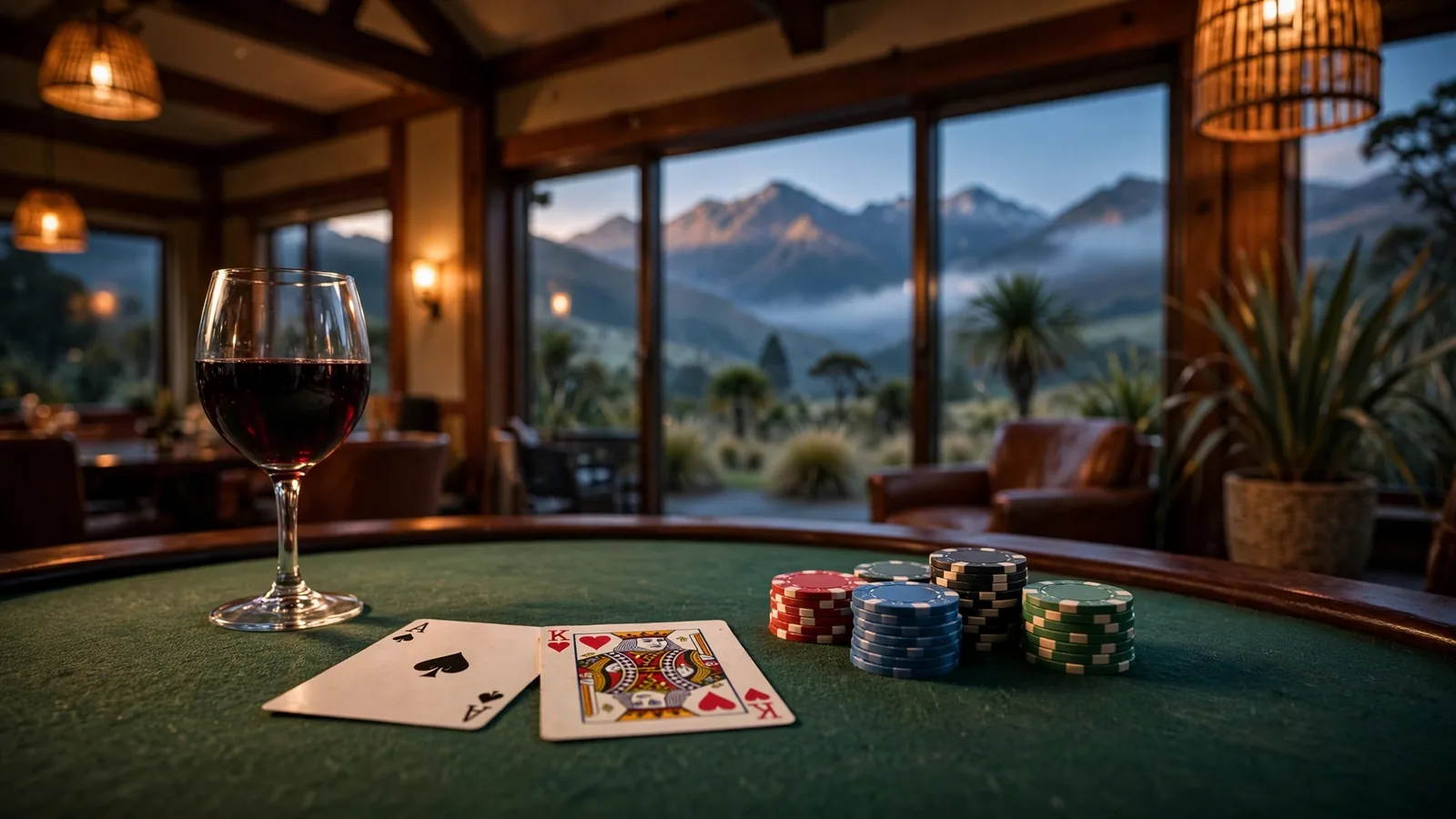
The rules matter to that calculation. Under one specified set—eight decks, a 3:2 payout for a natural blackjack, the dealer standing on soft 17, doubling after a split, no surrender, and resplitting to four hands—the house edge with perfect basic strategy is approximately 0.43%. Basic strategy means choosing the mathematically preferred action for the hand and rules in front of you. That figure is conditional on the entire set of rules; it is not a general rate for every blackjack table.
Even in those conditions, a small house edge is still an edge for the casino, not a promise that a player will lose a fixed amount. The outcome for you depends on the hands played and the stakes placed. A player can have a winning session, but that result alone does not show that blackjack has become a reliable source of income. There is no fixed amount you can expect to earn simply by playing.
A natural blackjack payout can change the arithmetic substantially. A specialist review reports that changing the payout from 3:2 to 6:5 raises the house edge by approximately 1.4%. That is a meaningful deterioration in the player’s position, even though the table may still be called blackjack. A lower payout reduces what you receive when you are dealt a natural, so the table’s headline name tells you less than its detailed rules do.
Payout Impact
Changing the natural blackjack payout from 3:2 to 6:5 increases the house edge by approximately 1.4%.
This distinction matters when comparing results or deciding whether a session has been profitable. A table with a lower house edge is not a route to guaranteed winnings; it simply gives the house a smaller mathematical advantage under the stated assumptions. A table with a higher edge makes the long-run expectation less favourable. Neither figure tells you exactly how much you will win or lose in a particular sitting.
So, can you make money playing blackjack? Yes, in the sense that you can leave with more than you brought. But a winning hand, or even a winning session, is not the same as a dependable way to earn money. The clearest answer comes from separating short-term results from the game’s long-run mathematics—and checking the payout and rules that shape that mathematics.
Strategy Starts with the Table Rules
A blackjack decision cannot be separated from the rules at the table. A strategy that assumes one set of conditions may not fit a game with different rules, so check the table information before you bet real money online. That matters whether you are looking for a sound way to play or hoping to recover money after a loss: changing decisions to chase a result is not a substitute for understanding the game in front of you.
One rule to look for is how the dealer treats a soft 17. A soft hand contains an ace counted as 11 without taking the total over 21; soft 17 is an ace and a six. Some games require the dealer to draw on that total, while others require the dealer to stand. This changes what the dealer may do, which in turn affects how you assess your own hand. A strategy based on the dealer standing should not simply be carried over to a table where the dealer draws.
The number of decks is another condition that can matter. A strategy reference should match the game’s deck count as well as its other rules. If the table information does not make those conditions clear, you cannot know whether a set of suggested decisions applies to that game. That is a less exciting answer than a universal formula, but blackjack does not offer one.
Your available actions also shape the choices. You can hit, stand, split a pair or double down, but the right decision depends on the hand and the table’s rules. Surrender is another possible option at some tables: it means giving up the hand and losing half the bet rather than continuing to play it. Since surrender is not offered everywhere, a strategy that includes it cannot be used unchanged at a table without it.
Before play, check the rules for soft 17, deck count and surrender, then use guidance that matches those conditions. These details can help you make more informed choices; they cannot ensure that you win money playing blackjack. Nor does a losing hand make a different decision automatically correct on the next one.
Real-Money Apps, Free Play and Bonus Conditions
A blackjack app can offer play with cash stakes, a no-money mode, or both. Those options may look similar on screen, but they are not interchangeable. In a real-money game, you stake funds and the result affects your balance. In a no-money mode, you can follow the same kind of game without risking cash; it does not show what you will experience when you put money at stake.
Attention: A run of wins in practice mode does not create a reliable expectation of profit when switching to real-money play.
Check which mode is active before you join a table. An RNG game uses software to shuffle and deal the cards, and rounds can move faster than live-dealer play. That pace can make it easier to play many hands in a short time. Speed is not an advantage in itself: it can also mean your balance changes more quickly when you are wagering.
If you are comparing a blackjack app for real-money play, look beyond whether it opens on your device. Check the game’s rules and whether the app clearly distinguishes cash play from practice play. A no-money mode can help you learn the controls, but it cannot establish that blackjack is easy money. A run of wins in practice does not turn into a reliable expectation of profit when you switch to cash.
Treat bonus offers as a separate set of terms, not as extra cash with no conditions. A specialist review reports that bonuses may carry wagering rules and restrictions on which games count toward those rules. Read the offer conditions before accepting: find out what play is required, which games qualify, and what happens if you do not meet the terms. Do not assume blackjack contributes in the same way as every other game, or that a bonus can be withdrawn as soon as it appears in your account.
The same care applies to decisions described as an even-money strategy. A label is not proof that a move improves your results, and bonus conditions do not change the underlying game rules. Keep the questions separate: what the table permits, what the offer requires, and whether you are risking real funds. If any of those points is unclear, leaving the offer unclaimed is simpler than discovering its conditions after play.
House Money, Side Bets and Blackjack on iPhone
“House money” can make a win feel separate from the cash you brought to the table. It is still part of your balance, though, and the payout attached to a natural blackjack affects how much that balance changes. A rule printed in the table information can matter more than the phone or screen you use.
A specialist review reports that some blackjack tables pay a natural hand at 6:5 rather than 3:2. The difference is not cosmetic: changing from the 3:2 payout to 6:5 increases the house edge by approximately 1.4%. The house edge is the game’s mathematical advantage over players across repeated play; it does not predict the result of an individual hand. A short run can still produce wins, but a less favourable payout shifts the long-run calculation.
If you are considering real-money blackjack on an iPhone, the same comparison applies. Check the payout rule for the specific table before staking money, rather than assuming every version of the game uses the same terms. A familiar game name does not tell you what its payout is.
Side bets require separate attention. Their presence does not change what the main-hand payout says, and you should not infer their terms from the main game. Read the information shown for each wager before placing it; if the terms are unclear, leaving that wager alone avoids committing money without knowing its conditions.
Table Verification
- Check the natural blackjack payout (e.g., 3:2 vs 6:5).
- Review the house edge based on the specific table rules.
- Read the terms and conditions for any available side bets.
- Confirm the payout rules for the specific table before staking money.
The useful distinction is between the amount that feels like a win and the rule that determines what is actually paid. Whether funds came from an earlier hand or from your original balance, a payout reduction still counts. Treat the displayed table rules as part of the cost of playing, not as fine print to inspect only after a result.
NZ Dollars, Deposits and Payment Restrictions
The currency shown at the table is not the only detail to check before funding blackjack play. Many international online casinos accept New Zealand Dollars, so you can deposit and see your balance in NZD without foreign-exchange fees being attached to playing. If an account instead uses another currency, conversion may affect what you pay or withdraw; check the displayed currency and payment terms before confirming a transaction.
Payment options vary between sites. Across online casinos serving the NZ market, the methods described include Visa and Mastercard credit cards, debit cards, e-wallets such as Skrill and Neteller, and bank transfers. Some also list PaysafeCard or POLi. A method appearing on a payment page does not mean it is available for every customer, or that every operator can use it under the same rules.
There is an important distinction for licensed operators: they must not accept credit cards or buy-now-pay-later payments. So, although credit cards may appear among the methods offered by online casinos more broadly, they are not a permitted way to fund play with a licensed operator. Debit cards are a separate payment category, but availability still depends on the operator’s terms and the payment service.
Before sending money, check whether the account and payment method both support NZD, what the operator says about deposits and withdrawals, and whether the same method can be used for both. A payment option can be listed without being suitable for every transaction. Keep the amount you intend to spend in view, and do not treat a familiar payment logo as a guarantee that a transaction will be accepted. These checks are particularly relevant when you are setting aside money for blackjack real money play: the currency and funding route affect the practical cost of getting money into an account, not the outcome of a hand.
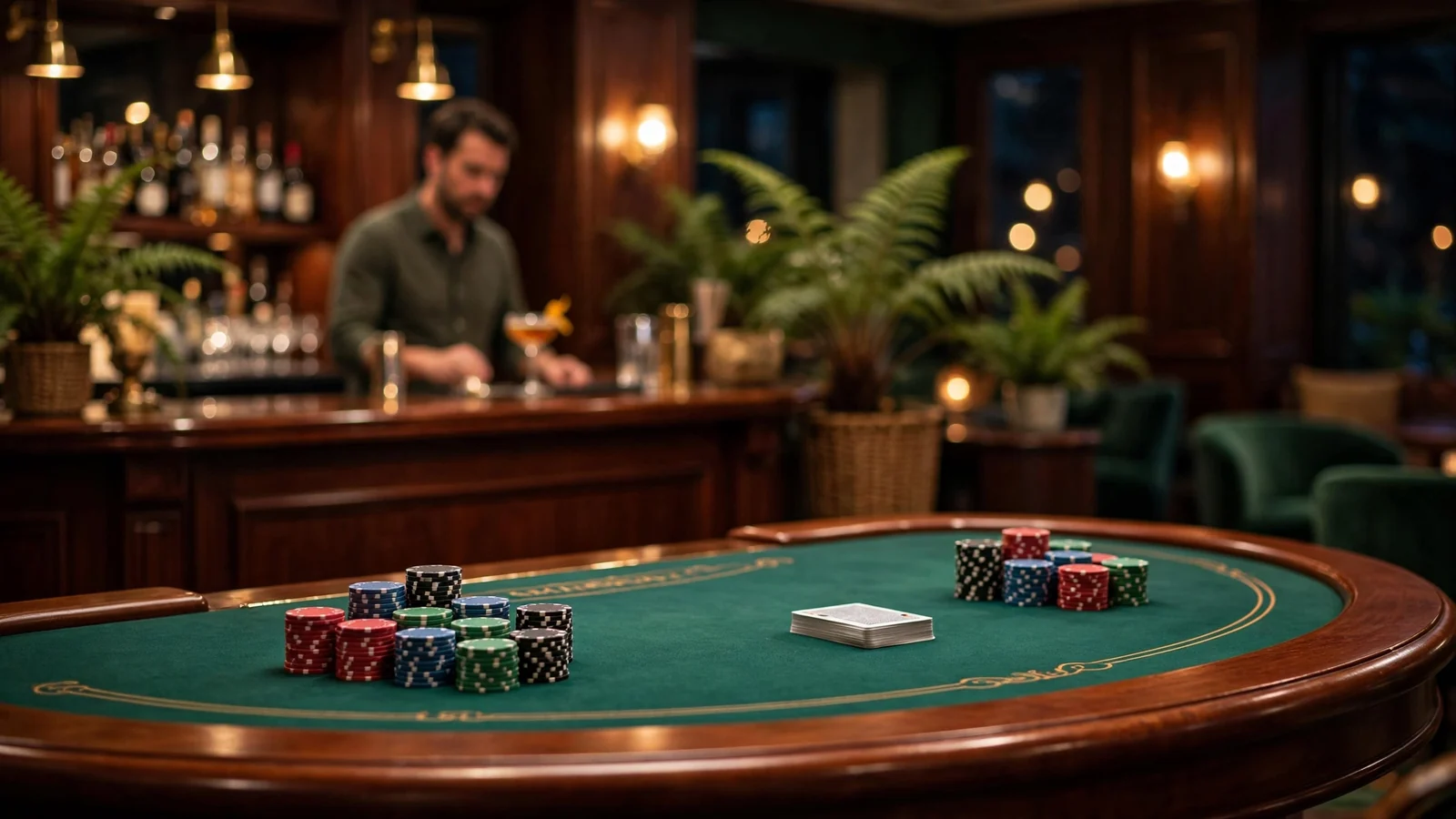
Live Blackjack: Cards, Pace and the Limits of Card Counting
In live blackjack, a dealer runs the round while you follow it through an online interface. Video shows the dealing, and on-screen information lets you track the game and make the decisions available at your seat. The cards are physical, but your choices are submitted digitally; the format does not remove the pause between deciding and seeing what happens next.
That pause affects the pace. A specialist review reports that an RNG blackjack hand, from deal to result, takes approximately 15 to 20 seconds, while a live-dealer hand takes 30 to 45 seconds. These are reported timings, not a promise about every table: the dealer and the flow of the round are part of the experience. If you prefer a quicker sequence of hands, RNG play moves faster. If you want to watch a dealer handle cards, live blackjack offers that format in exchange for a slower round.
The physical cards can prompt thoughts of card counting, but online live play presents practical obstacles. A specialist review notes that counting is theoretically possible at a live table when a manual shoe is used and enough cards are dealt before it is reshuffled. Those conditions do not make it a reliable way to win. You have to follow the cards through a video feed, keep an accurate count while making decisions, and contend with the practical limits of the table’s dealing conditions. A missed card or a disrupted count undermines the exercise.
So, playing live blackjack for real money is not the same as sitting beside a physical table with an unobstructed view of every card. The online interface is designed to show the round and accept permitted decisions, not to give you control over the dealing process. Treat card counting as a theoretical possibility with significant barriers, not as a dependable edge.
Can I play online blackjack for real money on my phone in NZ?
Yes. You can play on your phone at an online casino, provided the casino is not based in New Zealand; live-dealer games also use significant mobile data.
Is playing live blackjack online legal in New Zealand?
Yes, provided the online casino is not based in New Zealand.
What is the difference between 3:2 and 6:5 blackjack?
The figures describe the payout for a natural blackjack: 3:2 pays more than 6:5 for the same bet. A 6:5 payout increases the house edge by approximately 1.4% compared with 3:2.
Does blackjack always pay 3:2?
No. A natural blackjack often pays 3:2, but some tables pay 6:5.
What blackjack variant has the best odds?
An eight-deck game paying 3:2, with the dealer standing on soft 17, double after split, no surrender, and resplitting to four hands has an approximately 0.43% house edge when you use perfect basic strategy.
Published by the Casino Experts NZ team.