
Automated Roulette in New Zealand: Rules and How It Works
 Available in US
A guide to roulette software, electronic terminals, auto-play features and the changing rules for online casinos in New Zealand.

Table of Contents
- Automated Roulette in New Zealand: What the 2026 Rules Mean
- How Software-Based Roulette Determines Results
- What Happens During an Automated Roulette Spin
- How Auto Roulette Works at a Live Casino
- Roulette Betting Software and Electronic Terminals
- Auto-Play, Bets and the Limits of Roulette ‘Tricks’
- Trying Auto Spin in a Roulette Simulator
- Live Roulette, VIP Tables and La Partage
- What Auto-Bet Changes—and What It Does Not
- Does Live Auto Roulette Really Spin Every 30 Seconds?
Automated Roulette in New Zealand: What the 2026 Rules Mean
The legal position behind automated roulette in New Zealand changed in 2026, but the change does not mean that every online casino is already licensed locally. The Online Casino Gambling Act 2026 created the country’s first domestic licensing system for online casino gambling. Its commencement began a transition, rather than an immediate move to a fully operational licensing market.
The Act took effect on 1 May 2026. From that date, online casinos that were already serving people in New Zealand could continue operating under transitional provisions until 1 December 2026. That permission is not a general licence for new providers to enter the market. Providers that have not applied for a licence must stop offering online casino gambling in New Zealand by the end of the transition period. If an application is refused, the provider must leave the market and cease those operations.
The full licensed system is expected to be running in 2027. Until then, it is important to distinguish between a provider’s ability to continue temporarily under the transition and a licence issued under the new regime. A page describing an auto roulette casino, an automated roulette machine or a VIP table does not, by itself, establish that the operator holds a New Zealand licence. The legal status depends on the provider and the stage of the licensing process, not on the game’s name or format.
If you’re considering automated roulette in New Zealand in 2026, use this list as a starting point and check the details that matter to you before choosing. The available information here is limited to the facts stated for each operator.
License: Curaçao Gaming Authority, licence no. OGL/2024/165/0185 You can note that BitStarz lists a Curaçao Gaming Authority licence, number OGL/2024/165/0185. No automated roulette details are provided here.
License: Tobique Gaming Commission, licence no. 0000064 Neospin lists a Tobique Gaming Commission licence, number 0000064. You’ll need further information to assess its automated roulette offering.
Payout speed: 1-3 business days Lamabet lists a payout speed of 1–3 business days. No information is provided here about its automated roulette offering.
License: Tobique Gaming Commission, licence no. 0000002 Ricky Casino lists a Tobique Gaming Commission licence, number 0000002. You’ll need further details to judge its automated roulette offering.
License: 07017519840 · Payout speed: 1-3 business days Zotabet lists licence number 07017519840 and a payout speed of 1–3 business days. No automated roulette details are provided here.
Payout speed: 1-3 business days Wintino lists a payout speed of 1–3 business days. You’ll need more information to assess its automated roulette offering.
License: Tobique Gaming Commission, licence no. 0000091 7Bit Casino lists a Tobique Gaming Commission licence, number 0000091. No information is provided here about its automated roulette offering.
License: Malta Gaming Authority, licence no. MGA/B2C/394/2017 N1 Casino lists a Malta Gaming Authority licence, number MGA/B2C/394/2017. You’ll need further details to assess its automated roulette offering.
License: Malta Gaming Authority, licence no. MGA/B2C/370/2017 Play Grand lists a Malta Gaming Authority licence, number MGA/B2C/370/2017. No automated roulette details are provided here.
Who regulates online casinos
The Department of Internal Affairs (DIA) is New Zealand’s primary gambling regulator and oversees the online casino licensing framework. The Gambling Commission has a distinct decision-making role: it hears and determines casino licensing applications, issues online casino licences and approves changes to licence conditions.
In practical terms, the framework separates oversight from licensing decisions. The DIA is responsible for regulation of the system, while the Commission deals with applications and specified licence matters. Neither role should be confused with a casino’s own statements about its status. Under the new regime, the relevant question is whether the provider has the required approval and is operating within the applicable transitional or licensing rules.
The Gambling Act 2003 did not permit online casinos to be based in New Zealand. Before the 2026 Act, gambling websites operating from outside the country were not licensed or supervised by a New Zealand regulator. A customer who used an offshore site in that period had no domestic government recourse. The new law establishes a local licensing route, but that does not retrospectively turn earlier offshore activity into locally regulated gambling.
What the transition means for players
Offshore casino websites have been accessible to New Zealand residents, and playing at one did not itself expose a customer to a fine or criminal prosecution. That is different from saying the site was licensed locally or that a New Zealand authority supervised its service. The transitional rules now set out which existing providers may continue temporarily and how operators must move towards the new system.


The dates matter. The transition began on 1 May 2026 and runs through 1 December 2026. An existing provider’s temporary permission to operate during this interval should not be read as a permanent approval. Providers that have not applied by the required point must cease New Zealand operations by 1 December; providers whose applications are declined must also exit. Unlicensed operation is expected to become an offence around mid-2027.
The transition also limits promotion. Online casino gambling services must not be advertised to people in New Zealand during this period. Once licensed operators are permitted to advertise, their advertising remains subject to tight rules, and sponsorships are prohibited. This is a meaningful distinction for anyone encountering promotional material: visibility is not proof of local authorisation, and advertising rules do not replace the licensing process.
Applying the framework to roulette
The same legal framework applies whether a site offers automated roulette, auto-spin options or live tables. These labels describe products or features; they do not create separate legal categories that exempt a provider from the online casino rules. A roulette game may be automated, but the provider’s right to offer it in New Zealand is a separate question from how the game operates.
Licensing Risk
Providers that have not applied for a licence must stop offering online casino gambling in New Zealand by 1 December 2026, and unlicensed operation is expected to become an offence around mid-2027.
For you, the useful distinction is between a provider that is temporarily permitted to continue under the transition, one that has received a licence under the new system, and one that is not entitled to keep operating. The transition is finite, and a casino’s past availability in New Zealand does not establish what its status will be after 1 December 2026. The licensing framework is intended to bring online casino provision under domestic oversight; until it is fully operational, the legal position depends on the provider’s circumstances and compliance with the transition.
How Software-Based Roulette Determines Results
In software-based roulette, the result comes from a random number generator, usually shortened to RNG. This is a software process used to select the outcome rather than a ball moving around a physical wheel. The screen may show a wheel or an animated spin, but those visuals do not determine the result: the RNG does.
That distinction matters when you are trying to understand what “automated” means. In this context, automation describes a game whose outcome is produced by software. It does not mean that a physical roulette wheel is operating without a dealer, nor that the animation itself supplies the randomness. The displayed action is part of the presentation; the RNG is the mechanism that determines the result.
A live dealer game works differently. Its result is determined by the numbered pocket where the ball falls, rather than by an RNG system. A live stream may show a wheel and a dealer, while software-based roulette may display a similar scene or a simpler graphic. Appearance alone is therefore not a reliable way to tell how the result was produced. The relevant distinction is whether the game uses an RNG or a physical wheel and ball.


The phrase “real auto roulette” can be confusing because “real” may refer to different things. A software-based game can be a genuine roulette product without involving a physical wheel. Conversely, a live dealer game uses a physical wheel, but the presence of a roulette table on screen does not make every digital version a live game. To identify the format, look for an explanation of how the result is generated, not just the title or artwork.
An RNG is not the same thing as a betting strategy. It is the part of a software-based game that determines the outcome. A system that places or repeats wagers, if offered, concerns the betting action; it does not change what the RNG is or turn the displayed animation into the source of the result. Keeping these functions separate helps avoid a common misunderstanding: an automated interface can make a game appear to run by itself, while the outcome still comes from a distinct software process.
The same distinction applies when people refer to an automated roulette machine. The term may describe a screen or terminal through which a software roulette game is presented, but the visible equipment does not establish that a physical wheel is being used. In software-based play, the outcome is generated through an RNG. In live dealer play, the determining event is the ball landing in a numbered pocket. These are different sources of a result, even if both formats show a wheel-like image.
The outcome is determined by a random number generator (RNG) software process, regardless of the visuals shown on screen.
The result is determined by a physical wheel and ball landing in a numbered pocket, overseen by a human dealer.
This also sets a limit on what the word “random” can tell you. It identifies the method used to generate a software result; it does not, by itself, explain how a particular game is designed or provide a basis for predicting its next outcome. A run of results on screen does not reveal the internal operation of the RNG. Nor does a realistic animation show that a physical wheel is involved. The practical point is narrower: in an RNG-based game, software determines the result; in a live dealer game, the ball and pockets do.
When comparing formats, focus on that source of the outcome. A game described as software-based uses an RNG, while a live dealer product does not. The two can share familiar roulette imagery, but they do not arrive at results in the same way. Understanding that difference is more useful than treating “automated” as a promise about how a wheel behaves or what a future result will be.
What Happens During an Automated Roulette Spin
The decisive moment is when the ball comes to rest in a numbered pocket. That pocket identifies the winning number. The game then compares that result with the bets recorded on the table and settles each one according to what the player selected.
This sequence is about reading the result and applying it to existing wagers. It is separate from the question of how a roulette game produces its outcome. Once the pocket is known, the table has a specific result to assess; it does not need to infer one from the colour or position of a chip.

From pocket to result
A roulette table presents several ways to wager. You might have selected a single number, a colour such as red or black, an odd-or-even option, or a combination of numbers. Each selection has its own condition for winning. The pocket where the ball lands supplies the result against which those conditions are checked.
For a number bet, the relevant question is whether the selected number matches the pocket. For a colour or parity bet, the result is checked against that category instead. A combination bet is assessed by whether the winning number falls within the numbers covered by the selection. These are different ways of relating a wager to the same result; the ball does not produce a separate result for each kind of bet.
That distinction matters when you review a completed spin. The winning number is the starting point, but it does not by itself tell you which of your wagers won. The table must also account for what you placed. If you made several selections, each is assessed on its own terms, so one result can settle different wagers differently.
How settlement follows
After the result is established, winning wagers are credited automatically in line with the kind of bet made. In other words, the settlement reflects the selection attached to each wager, rather than applying one identical payment rule to every possible bet. A number selection and a colour selection are not the same kind of wager, even when they are being judged against the same pocket.
Settlement Process
The ball comes to rest in a numbered pocket, which identifies the winning number.
The game compares this winning number against the bets you recorded on the table.
Winning wagers are credited automatically based on the specific conditions of the bet selection.
This automatic process means the result and the settlement are linked steps: the pocket determines the number, and the game uses that number to assess the wagers already on the table. You do not need to work out which selections match before the game can record the outcome. The important detail for checking a completed spin is whether the result shown corresponds to the pocket and whether each wager has been treated according to its selection.
“Automatic” describes how the game applies the result to winning wagers. It does not change what counts as a winning result, or make every wager a winner. A bet still has to match the outcome under its own terms. The same pocket may satisfy one selection and fail to satisfy another.
So, when following an automated roulette spin, read the sequence in order: the ball settles in a numbered pocket, that pocket establishes the winning number, and the table assesses the wagers against it. Any winning bets are then credited based on their type. This is the settlement stage of a spin—not a different way of defining the result.
How Auto Roulette Works at a Live Casino
“Auto” in a live roulette title can be misleading. It does not mean that software generates the result. In a live-dealer game, the outcome comes from a physical roulette wheel: the ball moves around the wheel and the winning number is the one on the numbered pocket where it comes to rest. Live dealer products do not use a random number generator (RNG) to determine that result.

The distinction is about the source of the outcome, not whether you interact with the game through a screen. A live casino can present a dealer-led table through an online interface, but the result still depends on the ball and the numbered pockets. By contrast, software-based roulette determines its result using an RNG. The two formats may look similar from your side of the screen; the mechanism that settles the result is different.
A live table also has a human dealer overseeing the physical game. That is what makes the format live, rather than a software simulation of a roulette table. The dealer and wheel are part of the same real-world game, while the online display lets you follow it remotely. Seeing a roulette layout or animated graphics on screen does not, by itself, establish that a game is live: the relevant distinction is whether a physical ball and wheel determine the result.
The phrase “live auto roulette” can therefore refer to a live game presented in a way that automates parts of the online experience. It should not be read as saying the ball’s destination is selected by an RNG. Nor does “auto” mean that the live result is predictable or controlled by the player. The pocket where the ball lands determines the winning number.
This difference matters when you are comparing games described with similar labels. A live-dealer game and a software-based game can both be played online, but “online” describes how you access the game, not how its result is produced. For live roulette, the ball and wheel are central to the outcome; for software-based roulette, the RNG determines it. The label “auto” alone does not settle which format you are looking at.
In a live dealer product, the term “auto” typically refers to the automation of the online interface or presentation, not the generation of the result, which remains physical.
When a game is presented as live, focus on whether it is described as a dealer-led table rather than assuming that a particular title guarantees a physical wheel. The format’s defining feature is the live dealer product, whose result does not come from an RNG system. That is a more useful distinction than the wording in a game name, which may use “auto” to describe the interface or presentation.
In either format, the winning number is not established by the appearance of the screen or by the name attached to the table. In a live game, it is the numbered pocket where the ball falls. That physical result is the defining feature of live roulette, even when you watch and take part through an online interface.
Roulette Betting Software and Electronic Terminals
The word “software” can refer to different parts of a roulette game. It may mean the system that determines a software-based game’s outcome, or the interface you use to choose chips and place wagers. These functions are related, but they are not the same.
In software-based roulette, a random number generator (RNG) is used to determine the outcome. The betting interface is the part you see and operate: it displays the table, lets you select chips, and records where you place them. A screen-based table does not, by itself, tell you how the result is produced. The game format matters: software-based roulette uses an RNG, while a live dealer game gets its result from the physical ball and numbered pockets.

The interface is for placing bets
A roulette table interface presents betting positions and lets you choose where to wager. You can select a chip and place it on a specific number, on red or black, on odd or even, or on a combination of numbers. The interface captures that choice; it does not turn it into a prediction.
The same basic distinction applies to an electronic roulette terminal. You use its controls or touchscreen to make selections on the displayed table. “Semi-automated” may describe a setup where electronic controls handle betting while another part of the game is physical. The label alone does not establish how the outcome is determined. To understand that, you need to know whether the game is software-based or live.
This distinction is useful because the interface can look similar across formats. A digital table may show chips, numbered spaces and the available betting areas whether the result comes from an RNG or a live game. What you see on the screen explains how to enter a wager, not necessarily what determines the winning pocket.
Prediction tools do not control the result
Software marketed as a roulette predictor may analyse previous results or display suggested bets. That is different from the game’s own software. In an RNG-based game, the random number generator determines the outcome; a separate prediction tool does not change that mechanism. A record of earlier results is not a way to know what the next pocket will be.
Attention Software marketed as a roulette predictor cannot change the RNG mechanism or forecast the next pocket, as previous results do not influence future outcomes.
Treat claims about automated roulette betting software with the same distinction in mind. A tool might help enter or organise wagers, but automating the betting action does not make it the system that selects the result. Nor does presenting a sequence of suggested bets demonstrate that those bets can forecast the outcome.
The practical question is therefore not simply whether a roulette game uses software. Ask what the software does: does it provide the betting interface, place choices you have selected, or determine the outcome in a software-based game? Those are separate roles, even when they appear together on one screen.
For an electronic terminal, the same care applies. Its controls may make it easier to select chips and mark positions, but convenience at the interface level says nothing about whether a particular wager is more likely to win. Keep the betting controls distinct from the mechanism that produces the result.
Auto-Play, Bets and the Limits of Roulette ‘Tricks’
“Auto-play” can mean that a roulette interface repeats a betting action, rather than making a meaningful decision on your behalf. You still choose where your chips go on the table. Depending on the layout, that can mean a particular number, red or black, odd or even, or a combination of numbers. Automation can save repeated selections, but it does not make the choice more informed.
That distinction matters when a feature is described as a shortcut or a trick. A system may help apply a chosen pattern of bets, but the pattern does not control the result. The winning number is the number in the pocket where the ball falls. A sequence of previous results, a preferred colour or a repeated stake cannot tell the ball where to land.
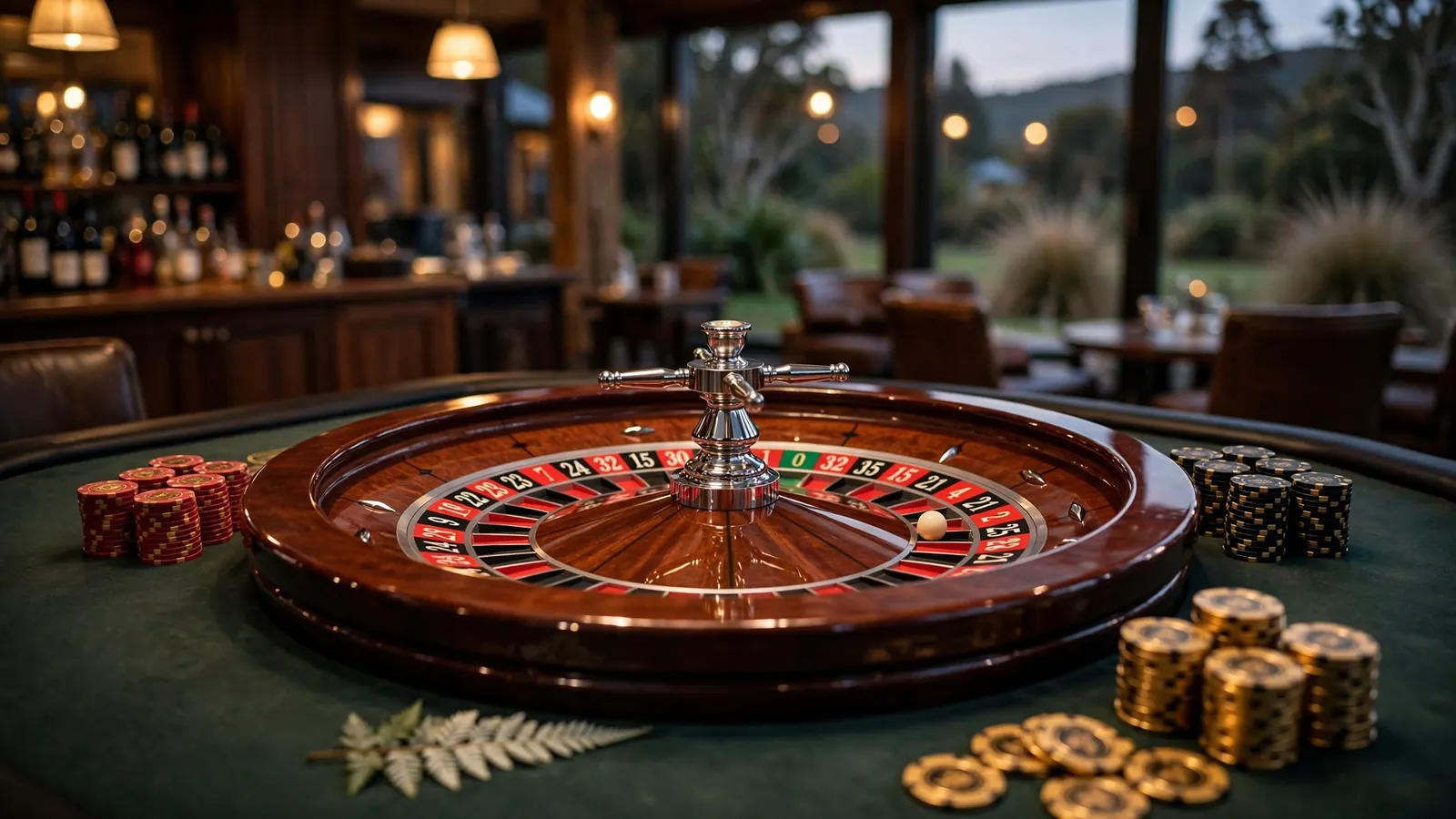
Some betting approaches involve changing the size or placement of wagers after a win or loss. That may give a player a routine to follow, but a routine is not a way to guarantee a return. If an interface repeats those choices automatically, it carries out the routine; it does not improve its prospects. The same limit applies whether you place each wager yourself or use an automated option.
It is also easy to confuse consistency with advantage. Repeating the same selection can make play more orderly, while changing selections can make it less predictable to the player. Neither practice alters the numbered pocket that determines the winning result. A neat sequence on screen is still just a sequence of bets.
Before using an automated feature, check what it repeats and whether you can review the selected bets. A setting that carries a choice forward may continue doing so when you would have chosen differently by hand. Automation can reduce the number of actions needed, but it can also make it easier to overlook what has been placed. The relevant question is not whether a system has a clever name; it is whether you understand the wager it is repeating.
There is no special “auto roulette trick” that turns a betting method into a certain win. The table accepts selections; the pocket determines the result. Treat any claim that a pattern can force a particular outcome with caution. A method can organise your decisions, but it cannot guarantee what happens next.
- Review the specific bets being repeated by an auto-play feature
- Understand that the winning result is always determined by the pocket
- Assume a betting pattern can force a particular outcome
- Rely on “auto roulette tricks” to guarantee a return
Trying Auto Spin in a Roulette Simulator
A roulette simulator lets you explore the table layout and place practice bets without treating the session as a real-money game. The precise controls depend on the simulator, so “auto spin” may describe a way to start another round rather than a separate kind of roulette. Check what the control does before using it: it may repeat an action, but it does not change the rules of the table.
The basic choices are familiar. You can place chips on a specific number, on red or black, on odd or even, or across combinations of numbers. Each selection corresponds to a different part of the table. A simulator is useful for seeing how those choices are entered and how they relate to the numbered layout, without assuming that one type of bet is more likely to win.
The result is tied to the pocket where the ball lands. If that pocket matches a bet, the bet is a winning one; if it does not, it is not. The simulator may display the result and update its practice balance, but the display is only part of the simulation. It does not tell you what would happen in another round.
“Free roulette” can mean a no-cost way to try the interface, while “free spin” may be used loosely for a spin in a practice game. The wording alone does not establish what a particular simulator includes. Look at the on-screen rules to see whether you are placing practice chips, whether bets carry over between rounds, and how a new round begins.

Use the simulator to learn where number, colour and parity selections sit on the table, and to understand what its controls do. Treat any practice balance as part of that environment, not as a promise about a real-money game. Most importantly, an automatic control can repeat an action, but it cannot make a chosen number or colour determine where the ball lands.
Live Roulette, VIP Tables and La Partage
“VIP” and “La Partage” describe different things from the live-dealer format itself. VIP is a table label; La Partage is a roulette rule name. Neither term, on its own, tells you how a particular live game determines its result or confirms that a specific table or rule is available to you.
The defining distinction for live dealer roulette is that its results do not come from a random number generator (RNG). An RNG is software used to produce outcomes in software-based games. A live dealer product instead presents roulette in a live format. A VIP label does not change that distinction: it does not mean that the game has switched to an RNG, nor does it establish any particular table conditions.
La Partage needs separate attention because a rule name can affect how a bet is settled, while the live format concerns how the game is presented and how its result is produced. Seeing the term in a game title or description is not enough to establish which bets it applies to or how it operates at that table. Check the table’s own rules before relying on the label. If the rules are not available or are unclear, do not assume that a familiar name guarantees a familiar condition.
Understanding VIP and La Partage
VIP is a table label and La Partage is a specific rule name. Neither term confirms the presence of a live dealer or changes the basic fact that live results are physical rather than RNG-based.
The same caution applies to VIP tables. The label may signal a distinct table category, but it does not by itself verify what features, rules or access conditions apply. It is not evidence that a particular live table is offered, and it should not be treated as a promise of special roulette terms. Read the specific game information rather than inferring details from the category name.
For a live roulette choice, keep three questions separate: whether the product is live dealer, what table category it carries, and which rules govern the bets. Only the first answers whether the product uses an RNG: live dealer products do not. The other labels require the table’s stated rules to explain what they mean in that game. That distinction is less glamorous than a VIP badge, but more useful when you need to know what you are actually playing.
What Auto-Bet Changes—and What It Does Not
Auto-bet changes how wagers are placed; it does not decide which pocket wins. The distinction matters because an automated betting feature can repeat or submit selected bets, but the roulette result remains tied to where the ball lands.
You can choose chips and place them on individual numbers, red or black, odd or even, or combinations of numbers. Those choices define the wagers on the table. An auto-bet setting, where available, concerns carrying out the selected betting action; it does not make a chosen number or colour more likely to win.
The winning number is determined by the numbered pocket in which the ball comes to rest. That outcome is separate from the way a wager was entered. Whether you place each bet yourself or use an automated option, the pocket—not the betting method—determines which bets win.

This also means that “auto-bet roulette” does not describe a different set of winning numbers. It describes an approach to placing wagers. You still need to understand what is selected on the table before a bet is submitted: a number, a colour, an even-or-odd choice, or a combination. Automation can act on those selections, but it cannot change their relationship to the result.
Treat the control as a way to enter bets, not as a prediction tool. The action may be automated; the outcome is not made favourable by that automation.
Does Live Auto Roulette Really Spin Every 30 Seconds?
A live roulette table may be described as running on a 30-second cycle, but that figure should not be treated as a universal schedule. The timing of a game and the way its result is produced are separate matters. A stated interval, where one appears, is a description of a particular table or service—not proof that every live table follows the same pace.
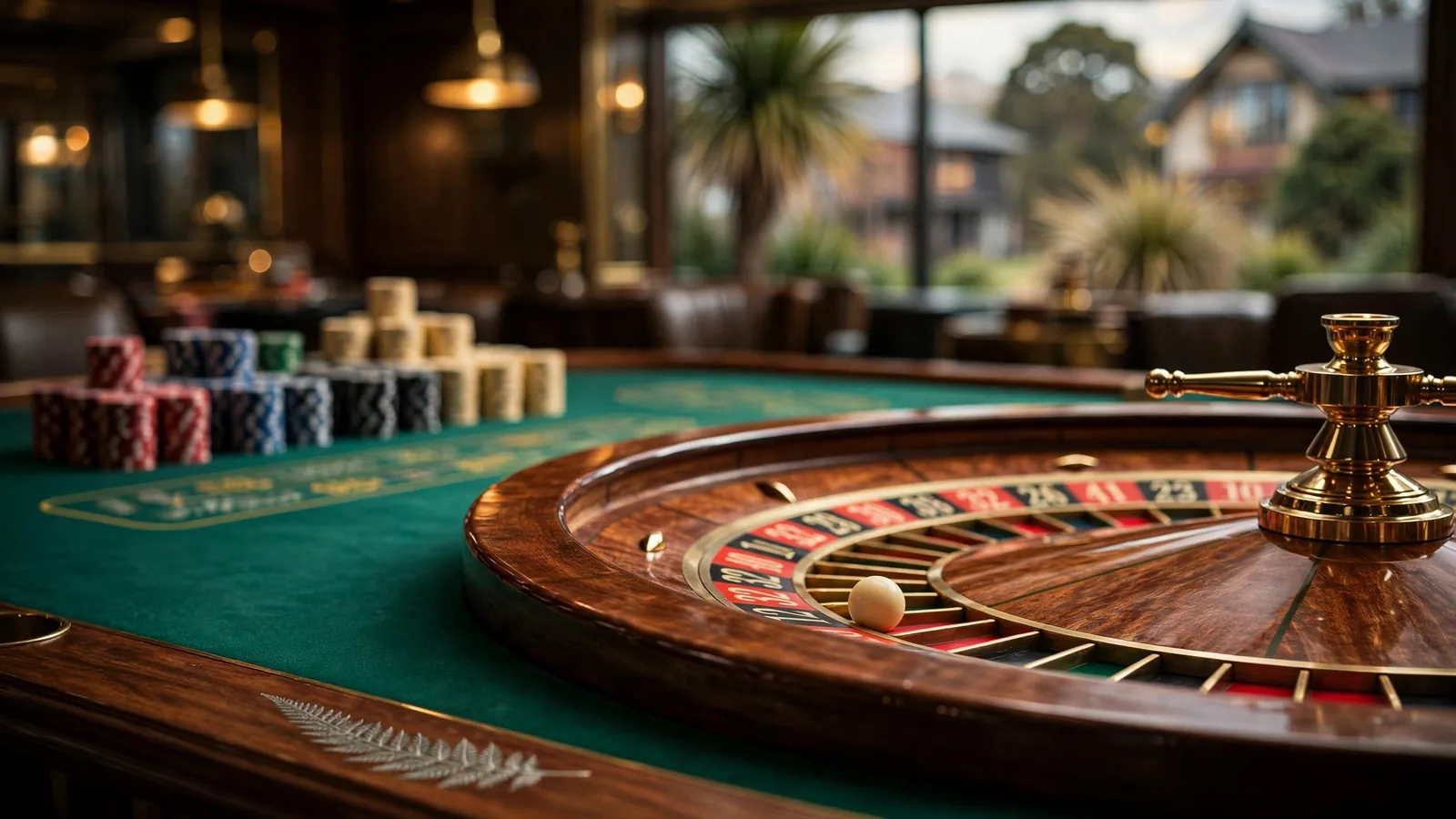
In live dealer roulette, the outcome comes from the ball landing in a numbered pocket. The game does not use a random number generator to select the winning pocket. That distinction remains the same whether a table appears to move quickly or slowly; timing alone does not tell you how the result was determined.
Nor does the phrase “every 30 seconds” necessarily explain what is being timed. It might refer to a displayed estimate or a stage in the table’s schedule, rather than a guarantee that a new result will be ready at an exact interval. Without clear information from the operator about what its clock measures, the number should not be read more broadly.
If you are comparing live tables, look for the table’s own explanation of its timing rather than assuming that “auto” means a fixed spin rate. The automated parts of the experience do not change the physical basis of a live result: the ball and pocket determine the outcome. A set interval, even when stated, is not a promise about when every round will finish.
Created by the ”Casino Experts NZ” editorial team.